Greece tours look very different from one month to the next, because the country changes with the calendar. The same island can feel calm in May, packed in August, and sleepy in January. The month you pick shapes your weather, your costs, and the crowds you meet.
Planners at My Greece Tours know that timing decides how a trip feels. Below, each season gets its own section, and then we compare prices, crowds, and the best months for different trip styles. You will finish with a clear idea of when to go.



Why Does The Season Matter For Greece Tours?
Greece sits in the Mediterranean, and its seasons are clear and strong. Summers are dry and bright, winters are wetter and cooler, and spring and autumn sit between them with moods of their own. Every tour feels different in each of these seasons, even on the same route.
The season sets the weather, and the weather sets the plan. Hot days suit beaches and boat trips, while mild days suit ruins, hikes, and long walks through old towns. Rainy days suit museums and warm tavernas, so a good plan matches each activity to the kind of day.
The season also decides what is open. Ferries, island hotels, and beach bars all run on a calendar, and many close when the cold arrives. Our guide to the best time to visit Greece covers the full year, and this article goes deeper on each season.
Travelers also compare tour styles before they pick a month. Sites such as Greece tours and Tours In Greece show how many shapes a trip can take. Some trips are private, some run in small groups, and some move mostly by boat. Each style reacts to the season in its own way.
The right month protects your budget and your energy. A trip in the wrong heat can feel long, and a trip in the wrong cold can feel closed. The rest of this guide helps you avoid both mistakes, so pick the season first and build your days around it.
What Are Greece Tours Like In Spring?
Spring is when Greece wakes up. Wildflowers cover the hills, the fields turn bright green, and the air is soft while the sea is still cool. Island hotels and ferries return to full schedules as the weeks pass, so spring trips feel fresh, calm, and unhurried.
Spring is the best season for ancient sites. You can walk the Acropolis, Delphi, and Olympia without the summer heat, and the light is clear while the stone is still cool. Photographers love the early hours, and guides have time to answer every question you bring.
Meteora also shines in spring. The rock towers rise above green valleys, and the monasteries on top welcome visitors who arrive early in the day. The paths feel quiet and the views stretch far. For more detail, read the best time to visit Meteora guide, which explains each month in turn.
Orthodox Easter is the biggest holiday in Greece, and it falls in spring. Families gather, churches glow with candlelight, and lamb roasts on open fires in village yards. Visitors who join in remember it for years, so book early for that week because locals travel home too.
The sea stays cool in early spring, so swimming is for the brave. By late spring, beach days start to feel good on the southern islands. Spring suits walkers, cyclists, and food lovers best, because it rewards people who want sights and local life more than sunbathing.
Prices in spring sit below the summer peak, and rooms are easy to find. Tour groups are smaller, and guides move at a gentler pace. You can linger at a viewpoint or a café without watching the clock, and that freedom is the real gift of the season.


What Are Greece Tours Like In Summer?
Summer is the classic Greek holiday, with a clear sky, long days, and a warm sea. Islands run at full speed, with boats leaving all day and beach bars open late. Evenings stretch into long dinners by the water, and Greece tours in summer are lively, social, and full of sun.
Heat is the main challenge in summer. Midday at an ancient site can feel hard on the body, because stone and sand hold the sun. Smart travelers visit early or late in the day, rest in the shade at noon, and swim when the sun is high.
Summer also brings the meltemi, a strong Aegean wind that cools the air but also whips up the sea. Ferries can run late or stop when the wind is strong, so build a spare day into any island-hopping plan.
Crowds peak in July and August, when Santorini and Mykonos are full and the best rooms sell out first. Greek families also take their own holidays in August, which fills beaches and ferries. Book early and expect lines at the big sites.
The islands shine in summer for good reasons. The water is warm, the nights are long, and the food tastes of sun and salt. Quiet corners still exist on the smaller islands. A few habits make the season easier on any tour, so keep this short list in mind:
- Start sightseeing early and finish before the strongest heat.
- Carry water, a hat, and sunscreen every day.
- Book hotels and ferries well ahead of time.
- Allow a spare day for wind delays at sea.
- Plan swims and long lunches for the middle of the day.
What Are Greece Tours Like In Autumn?
Autumn is a favorite among people who know Greece well. September still feels like summer, but the crowds thin out and the sea holds the heat of the whole season. Swimming is at its best in the warm water. Evenings are mild and golden, and trips settle into an easy rhythm.
Autumn is also harvest time, when grapes are picked, olives ripen, and village tables fill with new wine and fresh oil. Cooking classes and farm visits feel especially real in this season, and locals have more time to chat with guests. Food lovers find a feast at every stop.
Festivals mark the season as well. Villages hold feasts for their patron saints, and music fills the squares until late. To plan around them, check the list of seasonal events in Greece. A single festival can turn an ordinary day into the best one of your trip.
The weather turns later in the season. Rain showers arrive, the days grow short, and island services begin to wind down as the weeks pass. Early autumn is the sweet spot for most trips, so aim for the first half of the season. After that, cooler nights and gray skies take over.
Autumn suits couples, hikers, and swimmers who dislike crowds. Trails are open and the light is warm, and hotels are calmer, with staff who have more time for guests. Many travelers call it the best part of the Greek year, and the warm sea helps explain why.
Mainland sights also benefit from the cooler air. Athens, Delphi, and the Peloponnese are pleasant to explore once the summer heat fades. Walking tours feel easy again, and shaded cafés fill with locals instead of tour buses. The pace is gentle, and every stop has room to breathe.


Are Greece Tours Worth Taking In Winter?
Yes, they are, for the right traveler. Winter has real charm, but it is a different kind of trip. The days are short and the weather is mixed, with rain and cold winds on the coast and snow on the mountains. Winter trips are about culture, food, and quiet.
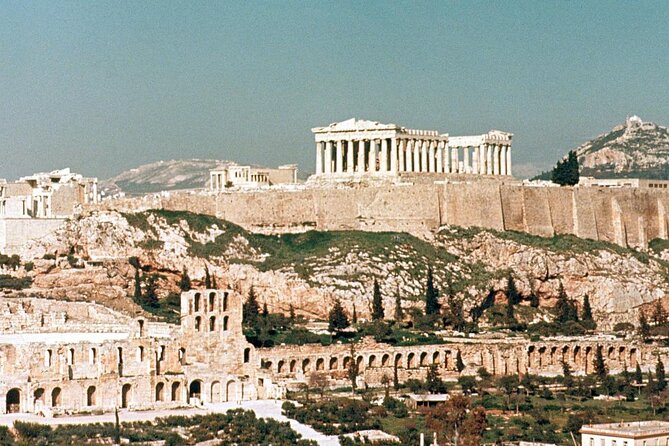
Athens works well all year, because the museums are open, the ruins are quiet, and the cafés are warm. The city keeps its energy. Read the guide to the best time to visit Athens for more detail. A winter visit lets you stand at the Parthenon without a crowd.
Islands feel very different in winter, because many hotels, beach bars, and boat trips close until spring. Ferries run on a smaller schedule, and some routes stop for the season. Larger islands such as Crete and Rhodes stay alive, since people live and work there all year.
The mainland offers more in winter. Snow brings ski days to the mountains, and villages light their stone fireplaces. Meteora looks wild in the mist, and Delphi sits quiet above its valley. Cold days end well with hot soup and a glass of local wine.
Winter suits travelers who value space over sun. It also suits people who want low prices and a real look at daily Greek life. Pack warm layers and a rain jacket, and keep the plan flexible, because the season rewards those who adapt.
Carnival season adds color before spring. Towns hold parades, costumes fill the streets, and music carries late into the night. Patras is famous for its party, and children and adults alike join the fun in costume. Winter tours that line up with these events feel warm, loud, and full of local pride.
How Do Prices And Crowds Change Through The Year?
Prices and crowds rise and fall together. The busiest weeks cost the most, and the quietest weeks cost the least. This pattern holds for flights, hotels, and Greece tours of every kind. Knowing it helps you save money without losing the best parts of the trip.
Summer is the peak, and July and August bring the highest prices and the biggest crowds. Popular islands and top sites feel full from morning to night. If you must travel then, book early and choose smaller towns, where quiet beaches and local meals still wait.
Spring and autumn are the shoulder seasons. Prices drop, crowds shrink, and the weather stays good. Many travelers see this as the best mix of value and comfort. May, June, and September stand out for balance, and each one leaves room to explore.
Winter is the cheapest and calmest time, with the lowest hotel rates and few visitors at the sites. The trade-off is shorter days and fewer boats. Small shops and cafés show their everyday side. For city and mainland tours, the savings are easy to enjoy, and the streets feel like your own.
Holidays shift the pattern, because Easter and the August break draw local families, which lifts prices and fills ferries. Check the Greek calendar before you lock in your dates. A few days earlier or later can change both the cost and the mood of the trip.
Where you go matters as much as when you go. A small island in June can be calmer than a famous one in May. Mainland towns stay steady all year. Choose lesser-known stops, and the season matters less for your wallet and your peace.


Which Month Is Best For Which Kind Of Trip?
No single month wins for everyone, so match the month to your trip style. Think about what you want most, whether it is swimming, sightseeing, or savings. Then pick the month that serves that goal, because Greece tours reward this kind of planning.
For history lovers, April, May, and October are the top picks. The ruins are comfortable to walk, guides are relaxed, and Athens, Delphi, and Olympia feel at their best. You see more and tire less, which makes long days of sightseeing a pleasure. Mild air and soft light make every photo better.
For beach days, choose June and September. The sea is warm and the sun is steady. June has long evenings, and September has thinner crowds. Both months give you the water without the heaviest peak of July and August. Pick a smaller island and the beach feels even better.
For island hopping, late May, June, and September work well. Boats run on full schedules, and the winds are gentler than at the peak. Pack small and move easily. Our guide to packing light for Greek island tours shows how to carry less and enjoy more.
For food, culture, and low prices, pick the cooler months on the mainland. For hiking, pick spring or early autumn. For families, pick June or early September, when the sea is warm and the crowds are lighter. Match the month to the mission, and the trip works.
Conclusion: Match Your Greece Tours To The Calendar
Every season has something to give. Spring brings flowers and open ruins, and summer brings warm seas and long nights. Autumn brings harvest and calm water, and winter brings quiet streets and low prices. Greece tours work in all four seasons, once you plan for the one you choose.
Start with your goal, then pick the month. Book ferries and hotels early for summer, and keep winter plans flexible. Whatever you choose, give each place time to breathe. Greece rewards travelers who slow down, and the right month makes that easy.
Frequently Asked Questions About Greece Tours By Season
When is the cheapest time for Greece tours?
Winter is the cheapest time, from November through March. Hotels cut their rates, and sites are quiet. Spring and autumn also offer good value without the cold, so they suit travelers who want savings and a gentle climate.
Which month has the fewest crowds on Greece tours?
January and February are the quietest months of the year. Museums and ruins have few visitors, and you can walk the biggest sites in peace. For good weather with fewer people, choose May or late September, when the sun is warm and the lines are short.
Are Greece tours too hot in July and August?
The heat is strong, especially in the cities and at inland ruins. Early starts, shade, and sea breaks keep the days enjoyable. Travelers who dislike heat should choose June or September, when the air is softer and the sea is still warm.
Do ferries run all year for Greece tours?
Main routes run all year, but winter schedules are smaller. Small islands see far fewer boats, and bad weather can cancel trips. Check the timetable before you book, and keep a spare day in your plan.
Can you swim on Greece tours in May?
Yes, many travelers swim in May. The sea is cool but fresh, and sunny afternoons make a short dip pleasant. The southern islands warm up first, so pick them if swimming matters most, and swim in the early afternoon.
Is winter a good time for Greece tours?
Winter is good for city breaks, museums, and mountain villages. Prices are low and crowds are small, so you can enjoy each stop at your own pace. Beach lovers and island hoppers should wait for spring, when boats and hotels return to full schedules.
How do travelers plan Greece tours around holidays and festivals?
Travelers plan Greece tours around holidays by checking the Orthodox calendar first and booking rooms, transport, and guides early, since local feasts fill hotels. Some holidays move every year, so a quick check saves trouble later. Early planning keeps even the busiest days calm.
Why does Easter shape Greece tours so strongly?
Easter is the biggest holiday in the Greek year. Families travel home to their villages, churches fill after dark, and many shops close for the main days. Greece tours in this week feel more local, but they need more planning.
Orthodox Easter often falls on a different date than Western Easter. Travelers should check the calendar before they book flights. The guide to Greek Easter traditions explains the timing and the best places to go.
Many churches hold a midnight service on Saturday night, and the mood is joyful and calm. Candles light the courtyard, and neighbors greet each other with warm words. Visitors who attend should stand quietly and respect the families around them.
Easter Sunday is a family day, and lamb roasted on a spit is a classic dish. Visitors invited to a family table should bring a small gift, such as sweets, and follow the host’s lead. A village meal on this day leaves guests with strong memories.
Ferries and buses fill fast before the holiday, because so many people head home. Guests who want a room on an island should reserve it early. Last-minute plans rarely work well in that week.
How do festivals and local customs fit into Greece tours?
Every region has its own saints’ days, village feasts, and music nights. Many of these events are small and welcome visitors. A festival on Greece tours gives guests a shared meal, live music, and a clear view of daily life.
A seasonal overview, such as this guide to Greek festivals, helps travelers match a trip to the events they want to see. Each season brings its own food and music. Wine lovers, for example, can look for harvest celebrations in autumn.
Customs also shape manners. Visitors dress modestly in churches and monasteries, stay quiet during services, and ask before photographing people. The article on holiday customs and traditions shows what to expect through the year.
Greek hosts often welcome guests to the table. A warm word of thanks goes a long way.



How do Greece tours handle strong heat and wind?
Greece tours handle strong heat and wind by moving outdoor sights to early morning, adding shade breaks, and planning for rough seas. Good operators treat weather as a normal part of the plan. That keeps groups safe and comfortable.
How do Greece tours plan the day in strong heat?
Open-air sites such as hilltop ruins offer very little shade. Guides schedule them for the cooler start of the day. Museums, long lunches, and swimming fill the hottest hours instead.
Water stops matter as much as the sights. Guides carry extra bottles for the group and know the cafes and shops where travelers can refill. Greece tours also slow the pace, so no one rushes up steep steps in the sun.
Guests wear hats, drink water often, and rest in the shade whenever the group stops. Sunscreen and light, long sleeves help more than most people expect. Authorities sometimes close open-air sites during a severe heat wave, so a good plan always has an indoor option.
Basic advice for hot weather appears in the safety tips for Greece tourists. It covers water, rest, and common sense on the road. A traveler who feels dizzy or sick should stop, find shade, and tell the guide right away.
What does strong wind change for Greece tours on land and sea?
The meltemi is a strong, dry north wind that blows across the Aegean in summer. It cools the air, but it also stirs up the sea. Some beaches turn rough, and small boat trips get cut.
Ferries can be delayed or canceled when the wind is strong, and the port authority makes the final call. Practical tips for ferry travel suggest keeping a spare day before any flight home. Greece tours that watch the forecast stay calm when a sailing changes.
Wind also changes the feel of a beach day. Waves can pull at swimmers, and local flags and signs show when the sea is unsafe. Visitors on Greece tours should follow those signs and the advice of lifeguards and guides.
Wind affects plans on land too. Exposed viewpoints, high paths, and open boats feel unpleasant in gusts, so good guides swap them for sheltered villages or museums. A quiet bay on the other side of an island often saves the day.
How do Greece tours change when ferries run on winter timetables?
Greece tours change in winter by using fewer ferry links, shorter island chains, and more time on the mainland, where service stays steady. Winter timetables are far smaller than summer ones. Planning is simple once the limits are clear.
How do Greece tours use the main winter routes?
Outside the busy months, ferry companies cut many routes and run fewer sailings. Large islands with big ports keep regular service. Small islands can see only a few boats each week.
Fast boats and some seasonal lines stop for the cold months. Slower, larger ferries do the work instead. Trips take longer, so Greece tours add spare time between connections.
The mainland gains weight in these months. Athens, Delphi, Meteora, and the Peloponnese stay open to visitors all year, so Greece tours shift toward museums, ancient sites, and mountain villages. Island life slows down, and some hotels and beach clubs close for the season.
A clear route overview, like this guide on how to travel between Greek islands, helps travelers compare ferries and flights. In winter, a short flight can replace a long and uncertain sea crossing. That choice often protects the rest of the schedule.
How should travelers book and budget in winter?
Winter schedules are often published late and can change. Travelers should confirm each sailing close to departure and keep tickets flexible when the company allows it. The ferry booking tips explain how to compare routes, seats, and fares.
Winter usually means lower prices for rooms, but ferry fares do not drop as much. A traveler who wants savings should focus on the stay rather than the boat ticket. More ideas appear in these budget tips for Greece visitors.
Daylight is shorter in winter, so travel days need an earlier start. Ferry crossings that end after dark feel longer and colder on deck. Guides plan arrivals while there is still light to find the hotel.
Guides also plan a spare night near the port in case a sailing is canceled. This habit protects flights and tour dates. Greece tours that keep it can still finish on time after a rough day at sea.
What should travelers pack for Greece tours in each season?
Travelers should pack light, breathable layers for Greece tours, with sun protection in summer and a warm waterproof jacket in winter. Comfortable closed shoes suit uneven stone paths in every season. Weather changes quickly, so a small, well-planned bag beats a large one.
What belongs in every bag for Greece tours?
Some items work in every month, so they sit at the base of every packing list. The list below covers the basics for any season. Most of these items fit in a small bag.
- Comfortable walking shoes with good grip
- A sun hat and sunglasses
- A reusable water bottle
- A light rain jacket
- A small day bag
- A phone charger and power bank
Light layers beat one heavy coat, because each layer can come off when the day warms up. Shoes with good grip matter most on old stone steps. Marble worn smooth by many visitors can be slippery, even when it is dry.
How does the bag for Greece tours change by season?
Summer packing is about sun, heat, and sea. Light cotton or linen clothing, strong sunscreen, and a quick-dry towel come first. Greece tours in these months reward anyone who keeps water and a hat within reach.
Winter is mild on the coast but can be cold, wet, and windy inland. A base layer, a warm sweater, and a hooded rain jacket work best. Spring and autumn sit in between, so a scarf and a light jacket cover most days.
Clothing rules also matter at religious sites. Shoulders and knees should be covered inside churches and monasteries, so a light scarf or shawl comes in handy. Guides on Greece tours remind guests of this before every visit.
Photographers also protect their gear from sand, salt, and heat. These photography tips show how to plan shots around good light. Eco-minded travelers choose a few lasting items, then read about sustainable travel in Greece and eco-friendly accommodations.
Which Greece tours suit wildflower and hiking season?
The best Greece tours for wildflower and hiking season focus on mountain trails, deep gorges, and rock monasteries in spring and early autumn. Cool air and green slopes make long walks easy, and local guides time each route to the bloom.
Meteora in spring bloom
Spring brings green fields and wild blooms to the plains and cliffs around Meteora. Greece tours here pair easy walks with views of the monasteries, which sit on tall pillars of rock. Early light on the stone makes the whole scene glow.
A good guide names the flowers along the path and explains how local people use wild herbs. Many Greece tours keep a slow pace, so walkers can stop, look, and take photos. Travelers who want more detail can read this Meteora spring wildflowers guide.
Meteora is a living religious place, so visitors dress modestly and respect the rules at each monastery. Covered shoulders and quiet voices are the norm, and guides brief guests on this before the visit. This respect keeps the place peaceful for monks, nuns, and other visitors.
The plains below the rocks also bloom with poppies and other common field flowers, and the green grass sets off the pale stone. Small villages nearby serve simple meals of local cheese, bread, and salad. A short walk after lunch makes an easy day.
Gorges, Olympus, and Pelion
Samaria Gorge on Crete and Vikos Gorge in northern Greece are the classic gorge walks, with long rocky trails and high stone walls. Greece tours that include them ask for good shoes and steady fitness. Both hikes reward walkers with cool shade and wide views.
Mount Olympus and Mount Pelion suit other kinds of walkers. Olympus is the highest mountain in Greece and the home of the ancient gods in myth. Pelion offers forest paths, stone villages, and sea views from the slopes.
Hiking days need simple preparation, and a good tour handles most of it. A short kit list covers the basics:
- Sturdy shoes with good grip
- Water, snacks, and a sun hat
- A light layer for wind and rain
- A guide who knows the route
- An easy pace with photo stops
Hikers who want to choose a route can read about the top hiking trails in Greece. Nature lovers can also explore the best nature reserves in Greece for birds and quiet paths. Both topics fit well into guided Greece tours.
Which Greece tours suit beach and sailing season?
Summer is the best time for Greece tours built around beaches and sailing, when the sea is warm and the days are long. Island hopping and day cruises are the most common formats, and both swap long road trips for easy boat rides.
Beaches on the islands
Naxos is known for long sandy beaches and shallow water, which suits families, while Paros adds fishing harbors and lively bays for wind sports. Greece tours often combine the two islands in one trip.
Milos is famous for its white volcanic rock and bright blue coves. Santorini beaches have red and black sand shaped by the volcano. Both islands reward visitors who prefer striking scenery over soft sand.
The top beaches in Greece offer many more ideas for sun and swimming. Greece tours that mix beach days with a little history give the best balance. A morning swim and an afternoon in an old town make a classic day.
A strong summer wind called the meltemi blows across the Aegean and shapes beach plans. Calm bays suit swimming and families, while open shores suit sailing and wind sports. A guide reads the weather each morning and picks the right beach for the day.
Sailing and boat cruises
Sailing holidays range from a shared day cruise to a private boat with a skipper. The Saronic islands lie close to Athens, so they suit short trips with few long transfers.
Travelers who want the basics can start with this guide to sailing holidays in Greece. On a crewed boat, the crew handles the sails, and guests relax, swim, and eat on deck. Greece tours at sea suit people who love open water.
Santorini is the best known cruise base. Santorini boat cruises and tours sail around the volcanic cliffs and the hot springs near the volcano. Many trips end with sunset views over the caldera.
Food and rest follow the rhythm of the sea. Boats stop for a swim in a quiet cove, and lunch is simple: grilled fish, salad, and bread. Guests return to port tired and happy, with salt on their skin.
Which Greece tours suit grape harvest and food season?
Late summer and early autumn suit Greece tours about wine and food, when the grape harvest starts and markets overflow with fresh produce. Cooking classes and winery visits fit this season well, and meals follow the harvest.
Wineries in Nemea and Santorini
Nemea is a famous red wine area on the mainland, near ancient sites. Its main grape is agiorgitiko, a soft red grape with deep color. Greece tours here pair tastings with short drives through the vineyards.
Santorini wineries grow vines in low, coiled baskets on volcanic soil. Wind and dry heat shape the grapes, and the white wines taste crisp and mineral. Greece tours on the island often finish a tasting with a sea view.
The popular wine regions in Greece reach well beyond these two areas, from island vineyards to mainland hills. Greece tours link tastings with villages and viewpoints, so wine becomes one part of a bigger day.
Harvest time brings a festive mood to wine country. Grapes arrive by the crate, presses run, and families gather to pick and share meals. Visitors on a tour can watch the work and taste fresh grape juice.
Markets, villages, and the table
Athens Central Market is a busy hall of fish, meat, spices, and olives. Guided food walks explain what each stall sells and how locals cook it. Greece tours that start here set the tone for the whole trip.
Cretan villages show the farm side of Greek food. Families press olive oil, make cheese, and gather honey and herbs. Greece tours with a village lunch let guests taste food made a few steps from the table.
Travelers can read about Greek food to try on tour before they pick a menu. A city-by-city guide to food markets in Greece also helps plan a hungry day around stalls and bakeries.
Greek food is simple and seasonal. Tomatoes, peppers, and figs ripen in the late summer heat, and cooks use olive oil, herbs, and lemon with a light hand. A market visit shows these ingredients before they reach the plate.
Which Greece tours suit quiet city and museum season?
Winter suits Greece tours of Athens built around museums, old streets, and slow meals, when crowds are thin and the days are mild. Rain is no problem inside a gallery, and a good guide turns a gray day into a lesson.
Museums worth the time
The Acropolis Museum sits at the foot of the Acropolis and shows the sculptures of the hill. Its glass floors reveal the ruins of an ancient neighborhood below. Greece tours often start the day here.
The National Archaeological Museum holds treasures from across Greece. Famous items include the golden mask from Mycenae and bronze statues of gods and athletes. Greece tours at this museum reward slow, careful looking.
Greek law lets only state-licensed guides lead groups inside archaeological sites and museums. Good Greece tours use these guides, who explain each object in plain words. The must-see museums in Athens are a good place to start planning.
A museum day needs no rush. Seats, cafes, and quiet galleries make breaks easy, and a small group keeps the pace gentle. Visitors leave with a clearer story of how the ancient city lived.
Plaka and free city sights
Plaka is the old neighborhood under the Acropolis, full of narrow lanes, small shops, and tavernas. In the quiet season, a slow walk here feels calm instead of crowded. Greece tours often end the day with a meal in these streets.
Athens also has many sights without a ticket, and the guide to free attractions in Athens is a useful starting point. Hills, squares, and old churches fill a day at a low cost.
Evenings are short and cool in the quiet season, so tavernas feel warm and lively. Grilled meat, salads, and local wine fill the table, and music often drifts from nearby rooms.
Fewer queues and gentler costs make the quiet season good value. Greece tours in this season suit curious travelers who prefer depth to speed. Each museum, lane, and cafe gets more time, and the city feels like a place to live in rather than a list to finish.
Which Greece tours work in the shoulder months?
Most Greece tours work well in the shoulder months, because spring and early autumn bring mild weather, warm seas and calmer sites. Travelers see the same famous places with more room to breathe. Hotels and flights also cost less than in midsummer.
Why spring suits Greece tours in the countryside
Spring turns the hills of the Peloponnese green and fills the fields with wildflowers. Greece tours to Delphi and Meteora enjoy soft light and cool mornings. Walkers and photographers get clear, open views of the mountains and valleys.
Villages feel alive in spring, with open cafes and quiet lanes. Travelers who love traditional Greek villages find this season easy, because locals have time to talk. Short walks between stops feel pleasant, not tiring.
Roads are calm too. Many scenic drives in mainland Greece pass olive groves, mountain passes and coastal bends. Greece tours by minibus use them in comfortable weather, with few cars on the way and plenty of photo stops.
Spring suits walkers in particular. The paths around Delphi and the rocky pillars of Meteora feel fresh in the cool air. Travelers carry less water and need fewer rests, so the group keeps a steady pace through the day.
Why early autumn brings warm sea days
Early autumn keeps the summer warmth but loses much of the summer rush. The sea stays warm after the long hot season, so swim stops on the coast feel easy. Crete and Corfu are popular choices for this reason.
Athens is friendlier at this time as well. Travelers who study the best time to visit the Acropolis often choose this season, since the heat eases and the queues shrink. Greece tours still start early to keep the site calm.
Nafplio makes a good base in autumn. The seaside old town has stone lanes, a Venetian fortress and easy day trips to Epidaurus and Mycenae. Travelers who want to go off the beaten path find quiet villages in the nearby hills.
Autumn is also harvest time. Grapes, figs and olives fill the markets, and tavernas serve fresh seasonal dishes. A food stop turns a simple day on the road into a tasty one.
Which Greece tours suit travelers who dislike heat?
Greece tours that start early in the morning, pause at midday and favor mountains or sea breezes suit travelers who dislike heat. Summer in Athens and on the islands is hot, so planning matters more than the destination. A good guide shapes each day around shade and water.
How to beat the heat in Athens
The Acropolis has little shade, and the marble reflects the sun. Greece tours therefore arrive at opening time, when the stone is cool and the light is soft. Only state-licensed guides may lead groups inside the site.
An early start also helps with crowds. Read how to avoid the Acropolis crowds before booking a slot. Learn the common Acropolis visitor mistakes too, such as arriving late or wearing slippery shoes.
After the hill, the day moves indoors. Museums and shaded old streets fill the hot hours. Greece tours often end with a long lunch in the shade, a cold drink and a slow walk back to the hotel.
Water and a hat matter more than any gadget. Guides remind travelers to drink often, wear light clothes and rest in the shade. These small habits keep a long day easy for everyone in the group.
Cooler routes and calmer days
Mountains and sea breezes feel cooler than the cities. Good Greece tours use this fact when they plan a hot week. Smart choices for hot days include these.
- Early starts at big sites
- Long lunch breaks in the shade
- Mountain villages and forest roads
- Boat days with sea breezes
- Indoor museums at midday
Active travelers can try cycling routes in Greece in the cool early hours. Slow rides on shaded roads beat a long climb at noon. Greece tours that mix a ride with a swim stop work best.
The coast of the Peloponnese and the shores of Corfu give a gentle answer to the heat. A short swim breaks the day, and a breeze on the boat deck cools everyone down. Travelers who plan this way finish each day happy, not worn out.
How do Greece tours use daylight in each season?
Greece tours fit their plans to the daylight, using long summer evenings for sunsets and shorter winter days for early, compact sightseeing. Light changes the feel of every stop. A good plan puts each place in its best hour.
Long summer days and late sunsets
Summer gives travelers a long day, so tours split it in two parts. The morning covers sites, and a rest fills the hot middle of the day. The evening is for food, walks and sunset.
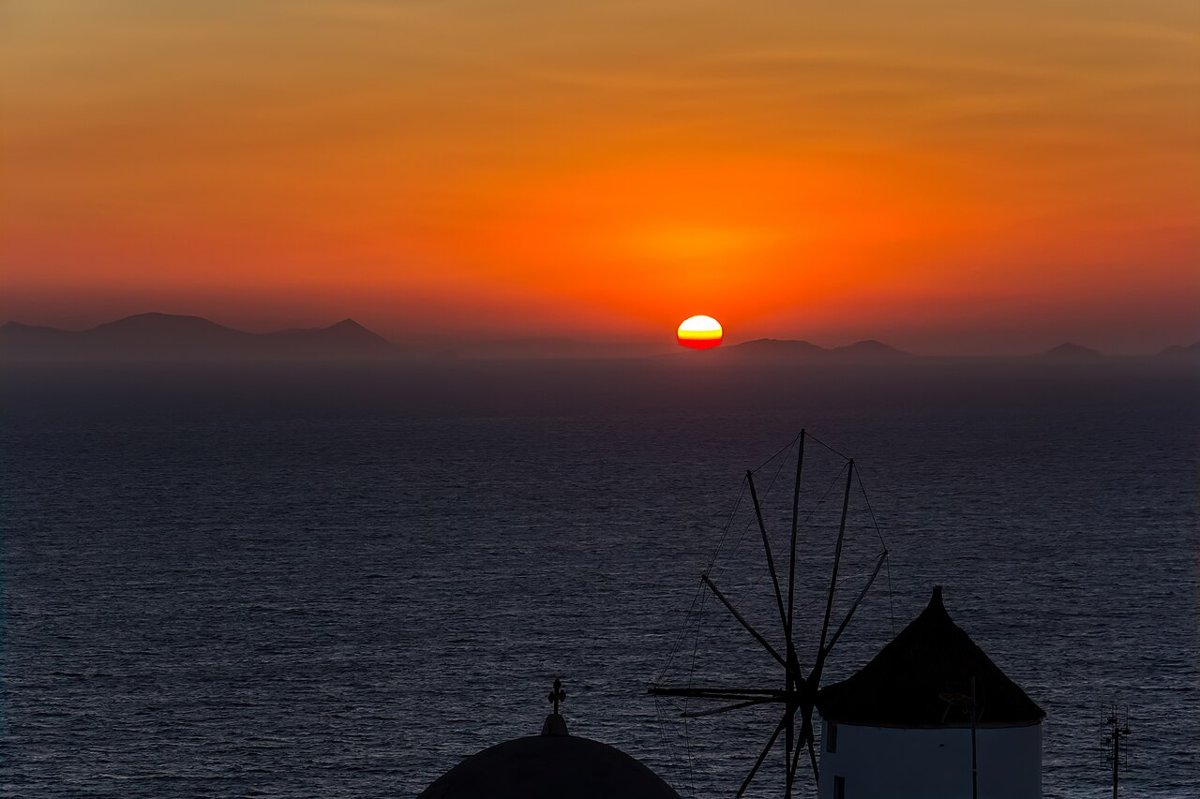
The Santorini sunset in Oia is the classic example. Guides plan the walk so that travelers arrive before the sky changes color. See the best sunset spots in Greece for more ideas.
Long days also suit adventure activities in Greece on land, sea and air. Greece tours fit a hike or a sea kayak trip into the cool morning, then leave the heat for rest.
Evening also suits Athens. After the sun drops, the city cools and the old streets fill with people. A dinner near the foot of the Acropolis, with the hill lit up above, ends the day well.
Short days and soft light in cooler months
In the cooler months, daylight ends earlier, so tours begin sightseeing early. Delphi and Meteora look dramatic in low, golden light. Greece tours place the main site first and keep the evening for a warm taverna.
Winter and early spring also suit cities. Athens has museums, cafes and food markets that work in any light. Greece tours here mix indoor stops with short outdoor walks.
Daylight also shapes travel time. Mountain roads are easier to drive in good light, and ferries and buses run on fixed timetables. Readers can compare options in this guide to exploring Greece by public transport.
Planning around light also means less stress. Travelers who start early finish before dusk and enjoy a relaxed evening. The cooler months feel calm, personal and unhurried.
Which places belong on Greece tours?
The best Greece tours mix ancient sites on the mainland with island time in the Cyclades, the Ionian Islands, the Dodecanese, and Crete. Each region adds a different mood, so travelers pick the mix that fits their taste and the days they have. The lists below name the best-known stops in each area.
Mainland
The mainland holds the places where theatre, sport, and democracy took shape. Greece tours on the mainland suit travelers who love history, big views, and stories told on the spot. Athens is the usual starting point, and the other sites fan out to the north and the south.
- Athens is known for the Acropolis and the Parthenon above the city.
- Delphi was home to the ancient oracle on the slopes of Mount Parnassus.
- Meteora is known for monasteries built on towering rock pillars.
- Olympia is the birthplace of the ancient Olympic Games.
- Mycenae is known for the Lion Gate and its Bronze Age citadel.
- Epidaurus is famous for its ancient theatre and clear acoustics.
Cyclades
The Cyclades are the postcard islands, with white towns, blue domes, and small ferries between them. Greece tours here focus on beaches, sunsets, and slow village walks. Each island has its own feel, so travelers pair a lively island with a quiet one and see both sides of the group.
- Santorini is loved for volcanic cliffs, white villages, and sunset views.
- Mykonos is known for sandy beaches, windmills, and lively nightlife.
- Naxos is known for wide beaches and the Portara marble gate.
- Paros is known for small fishing harbors and the village of Naoussa.
- Milos is known for pale volcanic coves and colorful fishing boat houses.
Ionian Islands
The Ionian Islands sit on the western side of the country, in greener and calmer waters. Greece tours here suit travelers who want forests, bays, and old towns with an Italian feel. Venetian rule left its mark on the buildings and the food, and olive groves cover many hillsides.
- Corfu is known for its Venetian Old Town and green hills.
- Kefalonia is known for Myrtos Beach and the Melissani cave lake.
- Lefkada is known for white beaches and a bridge to the mainland.
- Zakynthos is known for Navagio Beach and its sea caves.
Dodecanese and Crete
The Dodecanese lie close to the Turkish coast, while Crete sits far to the south. Greece tours here mix medieval castles with Minoan ruins, one of the oldest civilizations in Europe. Warm beaches round out the days after the sightseeing, and the food leans on olive oil, herbs, and fresh fish.
- Rhodes is known for its walled medieval town and the Lindos acropolis.
- Kos is known for ancient ruins, long beaches, and bike paths.
- Crete is the largest Greek island, known for gorges and fine food.
- Knossos is the Minoan palace linked to the legend of the Minotaur.
How do travelers fit Greece tours into a long weekend?
Travelers fit Greece tours into a long weekend by choosing one base, one theme, and short transfers, so no day is lost. A tight plan keeps the days full without rushing. Athens works well as the base because the airport and the ferry ports are close.
Athens in two days
Athens rewards a short stay because its main sights sit close together, and most of them can be reached on foot. Day one belongs to the Acropolis, the Parthenon, and the old streets below. Day two moves to museums, markets, and a long dinner.
Travelers who want a ready plan can follow this Athens itinerary for first timers, which lays out the main sights day by day. Greece tours built on the same idea save time on tickets and transfers.
Early starts beat the heat and the crowds at the Acropolis. Afternoons suit the Acropolis Museum, the Ancient Agora, and a rest in a shaded cafe. Evenings belong to Plaka, where tavernas line the lanes.
The metro links the airport with the city center, which keeps arrival days simple. Walking is the best way to see the old quarters, so comfortable shoes matter more than any other item in the bag.
One day trip
A day trip adds a second flavor to the weekend without a hotel change. Delphi gives ancient history, while Cape Sounion offers a temple above the sea. Boat trips to Hydra and Aegina add a lighter mood.
These day trip ideas from Athens show how to match an outing to a traveler’s interests. Greece tours with a guide make the long road to Delphi easier, since the story is told on the way.
Travelers who love history choose Delphi, and those who want sea views choose Sounion. Families enjoy the islands, where a swim fits between the sights. Each choice fits into a single day, so the hotel stays the same.
Sunset is the best moment at Cape Sounion, when the temple glows against the water. Delphi is calmer in the morning, when the site is quiet and the light is soft. Good timing turns a simple outing into the highlight of the trip.
Booking a day trip in advance protects the best time slots. Guided Greece tours handle the driving, the tickets, and the timing, which leaves travelers free to enjoy the view. A light lunch near the site keeps the energy up until the return.
One island hop
An island hop ends the weekend with sea air and a slower pace. The Cyclades are the usual choice, since ferries and short flights link them to Athens. One island is enough for a long weekend, because moving twice eats the time.
Travelers who want to see how routes connect can read the Greek island hopping guide before they choose. Greece tours that plan the ferries in advance remove the stress of timetables and tickets.
Santorini and Paros both suit a short hop, since each has a port, a main town, and good beaches. Mykonos fits travelers who want a livelier scene, and Naxos fits those who prefer space and quiet.
A simple rhythm works best on the island. Mornings go to the beach or a short walk, afternoons to a village lunch, and evenings to the harbor. Greece tours that keep the schedule light leave room for this slow pace.
Packing light makes the hop easier. A small bag moves quickly through ferry ports and up narrow village steps. Swimwear, a sun hat, and a light jacket for the evening cover most needs.
More questions about Greece tours
These short answers cover the questions travelers ask most before booking Greece tours, from flights and safety to tipping and clothing. Each reply is direct and easy to scan.
Do Greece tours include flights?
Flights depend on the package, so travelers should read the inclusions list carefully before they book. Check whether the price covers international flights, domestic hops between islands, or only land travel. Hotels, guides, and transfers are listed line by line, so nothing is left to guess.
Are Greece tours safe for solo travelers?
Yes, Greece is widely seen as a safe country for solo travelers, and guided tours add extra support on the road. A group or a guide gives solo travelers company at meals and on trips. Normal city habits apply, such as watching bags in crowded places.
Do Greece tours suit children?
Yes, Greece tours suit children when the plan has short sightseeing blocks, beach time, and plenty of rest. Boat rides, castles, and sandy bays keep young travelers interested. Family itineraries limit long drives and late dinners, and many hotels offer rooms that sleep the whole family.
Can Greece tours be booked at the last minute?
Yes, last-minute booking works for many Greece tours, but popular dates and small groups fill first. Early booking gives travelers more choice of hotels and island ferries. Peak summer weeks leave the least room, so late bookers stay flexible about dates and routes.
Is tipping expected on Greece tours?
Tipping is appreciated but not required, and a small tip for a guide or driver is a kind way to say thanks. On Greece tours, travelers also round up restaurant bills or leave a little extra for good service. A warm word of thanks at the end of the trip is always welcome.
What should travelers wear on Greece tours?
Travelers wear light, breathable clothes and comfortable walking shoes, plus a layer for cooler evenings and windy boat decks. Greece tours that visit churches and monasteries ask for covered shoulders and knees. A hat and sunscreen protect travelers at open ruins. Sturdy shoes grip better than sandals on old marble steps.
See more in Sexvid: